

Treasury & Operations
Identity Check Software for Faster Payments
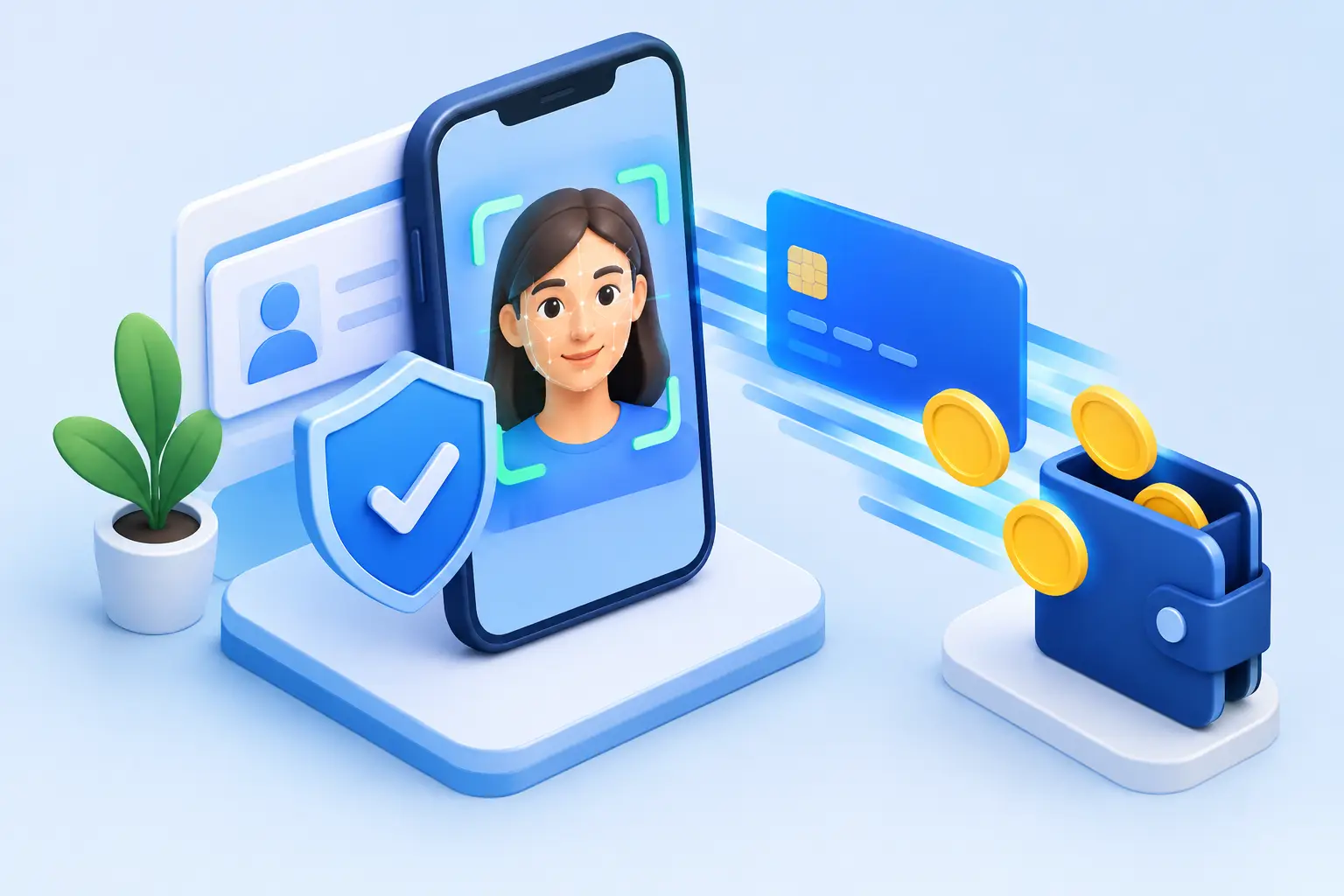
A cross-border payment can move in minutes, but onboarding the wrong customer can create exposure that lasts far longer. For importers, exporters, FX providers, marketplaces, and growing SMEs, identity check software is no longer a back-office convenience. It is a practical control for confirming who is behind a transaction before money moves across borders.
The right approach protects customers, supports regulatory obligations, and keeps legitimate payments moving without unnecessary delays. The wrong approach creates a difficult trade-off: either too little verification and greater fraud risk, or too much manual review and an onboarding experience customers abandon.
What Identity Check Software Does
Identity check software verifies that a person or business is genuine using digital data, documents, and risk signals. It is commonly used during account opening, before high-value transactions, and when an account shows unusual activity.
For an individual customer, the process may involve capturing a government-issued ID, checking document features, matching a selfie to the ID portrait, and confirming that a live person is present. For a business customer, the process can extend to company registration details, directors, beneficial owners, and the purpose of the commercial relationship.
The outcome should not simply be a yes-or-no decision. Effective systems provide a clear audit trail and a risk-based result that helps an operations or compliance team decide whether to approve, request more information, or investigate further.
In international money movement, this matters because the signals are rarely limited to one country. A customer may live in one market, earn income in another, operate a company in a third, and send funds to suppliers or family elsewhere. Verification needs to work across document types, languages, and regional data availability while maintaining a consistent standard of review.
Why Payment Businesses Need Identity Check Software
Financial crime often takes advantage of speed, fragmented data, and manual processes. Fraudsters can use stolen identities, altered documents, synthetic profiles, or business entities that appear legitimate at first glance. A payment business that relies only on a basic form and document upload may not see the warning signs until funds have already moved.
Identity verification helps create a stronger foundation for customer due diligence. It allows businesses to establish the identity of their customers, understand who controls an account, and apply enhanced checks where the risk calls for it. This supports anti-money laundering programs, fraud prevention efforts, and internal risk policies.
For customers, the benefit is equally practical. People sending money internationally want a secure process, but they also want to complete it without repeated emails, unclear requests, or long waiting periods. A well-designed verification flow can reduce manual back-and-forth by collecting the right information at the right time.
That balance is especially valuable for African businesses trading globally. An importer paying a supplier in Asia or Europe may need reliable settlement timing to protect inventory and pricing. A diaspora professional converting funds for a property purchase or family support needs assurance that a provider is taking security seriously. Strong identity checks help payment providers serve both needs: controlled access and efficient execution.
The Checks That Matter Most
Not every customer or transaction requires the same level of review. A risk-based model is more effective than applying the heaviest possible process to every user. The core capabilities to assess include the following:
- Document verification checks whether an ID appears genuine, valid, and consistent with expected security features.
- Biometric matching compares a live selfie or video capture with the image on an identity document.
- Liveness detection helps identify presentation attacks, such as a photo, recorded video, or mask used to impersonate someone else.
- Data and watchlist screening can identify potential sanctions, politically exposed person, or adverse media risks, subject to the provider's coverage and review process.
- Business verification validates company records and helps identify directors and beneficial owners for corporate accounts.
These tools work best as connected controls, not isolated checks. A document may look valid but still be used by someone other than its true owner. A company may be registered but have an ownership structure that warrants further review. Combining signals gives compliance teams a more useful picture.
Choosing Identity Check Software for Cross-Border Use
When evaluating identity check software, coverage should come before impressive-looking features. Ask whether the platform supports the countries, document types, and customer profiles your business actually serves. A solution with excellent performance in North America but weak document coverage across African markets may create friction precisely where your customers need access.
Accuracy also requires context. Automated decisions can speed up straightforward cases, but exceptions need a dependable path to human review. Names can be transliterated differently across documents. Address formats vary widely. A legitimate customer may have limited digital records or use a document type that is uncommon in another region. The system should help reviewers resolve these cases consistently rather than rejecting them by default.
Integration is another commercial consideration. API-based tools can bring verification into an account-opening flow, payment portal, mobile application, or internal operations dashboard. That reduces duplicate data entry and gives teams a clearer record of what was checked, when it was checked, and why a decision was made.
However, integration should not mean collecting every available data point. Businesses should request information that is proportionate to their services and risk level, explain why it is needed, and protect it appropriately. Identity data is sensitive. Strong access controls, retention practices, encryption, and incident response procedures are as important as the verification workflow itself.
Designing a Verification Journey Customers Will Complete
Even the most capable technology will underperform if customers do not finish the process. The verification journey should be clear, mobile-friendly, and specific about what is required. A vague instruction to upload identification leads to poor images, rejected documents, and support tickets. A better flow tells the customer which documents are accepted, how to capture them, and what happens next.
Timing matters as well. Some businesses verify fully before allowing any transaction. Others use tiered access, where low-risk activity can begin with limited functionality and higher-value transactions require additional checks. The appropriate model depends on the products offered, applicable rules, transaction values, and risk appetite. There is no universal threshold that fits every payment business.
Communication can prevent avoidable frustration. If a review takes longer because a document is unclear or a business ownership record needs confirmation, customers should receive a direct explanation and a practical next step. Silence makes a secure process feel unreliable. Clear status updates make it easier for customers to cooperate with reasonable compliance requests.
Measuring Whether Your Controls Are Working
A verification program should be reviewed with operational and customer outcomes in mind. Approval rate alone is not enough. An unusually high approval rate may indicate that risk controls are too weak, while a low rate can signal poor document coverage, biased rules, or an overly demanding journey.
Useful measures include completion rates, average review time, manual review volumes, false rejection patterns, fraud losses, and the number of cases escalated for enhanced due diligence. Segment these results by customer market, document type, and onboarding channel. That is where hidden friction often appears.
Compliance teams, product teams, and customer support should review the same data. A recurring support complaint may reveal a technical problem in document capture. A surge in manual reviews may show that a rule needs recalibration. Good identity verification is not a one-time implementation. It is an operating process that improves as customer behavior, fraud patterns, and regulatory expectations change.
A Stronger Foundation for International Payments
For businesses handling FX and cross-border settlements, identity verification is part of delivering a payment experience customers can trust. It supports safer account access, cleaner transaction records, and faster decisions when the process is built around real customer journeys rather than compliance in isolation.
ParkPay's compliance services are designed to support identity verification and customer due diligence through API-based tools, helping businesses bring greater control to international payment operations. The objective is straightforward: verify with care, act on risk intelligently, and keep legitimate customers moving with confidence.