

Treasury & Operations
Beneficiary Name Matching for Safer Payments
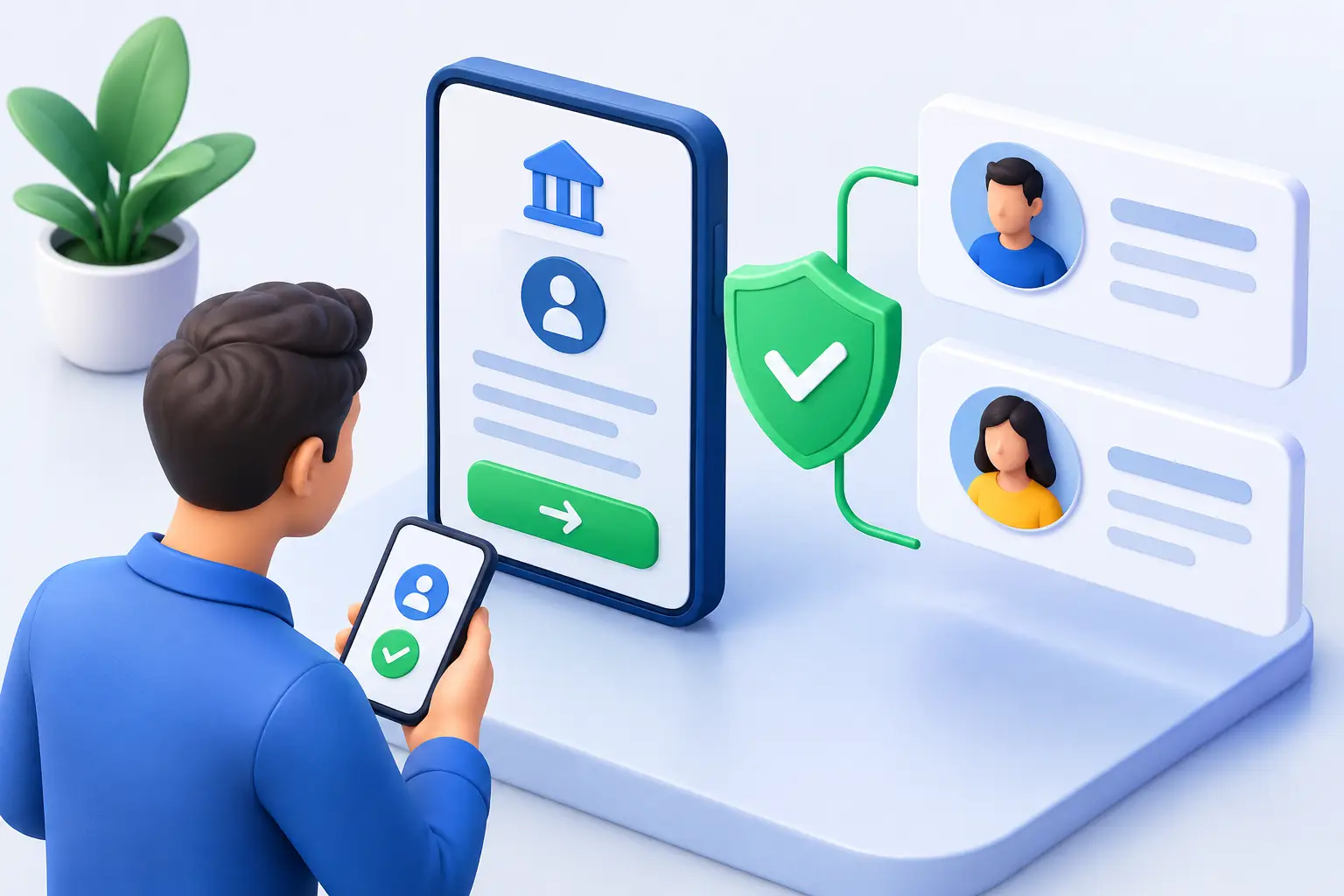
A payment can be sent in seconds and still create a serious operational problem if it reaches the wrong account. A single incorrect digit, a copied supplier detail, or a fraudulent change-of-bank request can lead to delayed settlements, lost funds, and difficult recovery efforts. Beneficiary name matching adds a critical check before money leaves the sender’s account.
For individuals sending funds internationally and businesses managing supplier, payroll, or partner payments, beneficiary name matching helps confirm whether the account details entered align with the intended recipient. It is a practical control against misdirected payments, impersonation fraud, and avoidable payment investigations.
What Is Beneficiary Name Matching?
Beneficiary name matching is a payment verification process that compares the name provided by a payer with the name held against the recipient’s bank account or payment identifier. Depending on the payment rail, the result may confirm a match, flag a close match, indicate a mismatch, or return an unavailable result.
The purpose is straightforward: give the sender meaningful information before authorizing a transfer. Rather than relying only on an account number, IBAN, mobile wallet number, or other identifier, the sender can assess whether the account appears to belong to the person or business they intend to pay.
The process is sometimes referred to as confirmation of payee or account name verification. The terminology varies by market and payment network, but the operational goal is the same: reduce the risk of sending funds to the wrong beneficiary.
For example, an importer paying a manufacturer may enter the beneficiary name as “Apex Industrial Trading Ltd.” If the receiving account is registered to “Apex Industrial Holdings Ltd.,” the matching service may return a close-match result. That is a prompt to pause, validate the invoice and account details, and contact the supplier through an established channel before releasing payment.
Why Beneficiary Name Matching Matters in Cross-Border Payments
Cross-border payments involve more moving parts than a domestic transfer. Different account formats, currencies, banking partners, local naming conventions, and cut-off times can make corrections slower once a payment is in motion. If a sender discovers an error after settlement, recovering funds may depend on the recipient’s cooperation, intermediary bank processes, and the rules of the destination market.
That risk is especially relevant for African businesses paying global suppliers, remote teams, logistics providers, and service partners. A finance team may process payments in U.S. dollars, euros, pounds, yuan, or local currencies while managing beneficiary details from several jurisdictions. The account information may be valid but belong to an unintended party.
Name matching creates an early decision point. It does not eliminate the need for sound payment approvals, but it can expose inconsistencies before settlement. This can help businesses avoid repeatable problems such as invoice redirection fraud, where a criminal impersonates a supplier and sends updated bank details just before payment is due.
For individuals, the value is equally clear. When supporting family, paying school fees, funding an overseas purchase, or sending money to a trusted contact, a name check can provide added confidence that the account details were entered correctly.
How the Matching Process Typically Works
A payer enters the beneficiary’s name along with the required account details. The payment provider sends a verification request through the relevant bank, network, or verification partner. The available account record is then compared with the name supplied by the payer.
A match does not always mean every character is identical. Legitimate names may include abbreviations, omitted middle names, business suffixes, punctuation differences, or local-language variations. A useful matching process is designed to distinguish these expected differences from meaningful discrepancies.
The result generally falls into one of four categories:
- A match indicates that the supplied name aligns with the available account record.
- A close match suggests a minor difference and may present a corrected or partially masked name, depending on local rules.
- A no-match result means the name does not align sufficiently with the account record.
- An unavailable result means the check could not be completed, often because the receiving institution or payment route does not support the service.
The right response depends on the result and the payment’s risk level. A close match for a low-value payment to a long-standing beneficiary may be resolved quickly. A mismatch on a high-value supplier payment, a first-time transfer, or a recently amended bank instruction should trigger additional verification.
A Match Is Helpful, Not a Guarantee
Beneficiary name matching is a strong payment control, but it is not a guarantee that a transaction is safe or commercially valid. A fraudster may use an account opened under a name that appears credible. A verified account can still be associated with a dishonest counterparty. Likewise, a legitimate recipient’s name may not match exactly because of account ownership structures or local banking practices.
Businesses should avoid treating a positive match as a replacement for due diligence. The payment still needs to be supported by a valid invoice, contract, approved purchase order, or other evidence appropriate to the transaction. For regulated businesses, customer due diligence, sanctions screening, and transaction monitoring remain separate responsibilities.
It also matters which name is being checked. A corporate trading name can differ from the legal entity name on a bank account. Payments to a law firm, escrow agent, marketplace, or payment aggregator may correctly display an intermediary name rather than the name of the ultimate supplier. In these cases, the finance team should document why the account holder differs and obtain confirmation through verified contacts.
Building Name Matching Into Your Payment Controls
The most effective approach is to make beneficiary verification part of a wider payment workflow, not a last-minute task performed only when something looks wrong. The process should be consistent for new beneficiaries, account-detail changes, and higher-risk payments.
Start by collecting beneficiary information in a structured format. This includes the legal or account-holder name, account number or IBAN, bank details where required, payment currency, country, and a verified contact method. Free-form data collected through email is more vulnerable to errors and manipulation.
Next, apply stronger checks when risk increases. A new supplier, an urgent payment request, a change to settlement instructions, an unusually large amount, or a payment to a high-risk corridor should receive additional review. This may include calling a known contact using a previously verified number, rather than replying to the email that requested the change.
Segregation of duties is also valuable. The person who creates or edits a beneficiary should not be the only person authorized to approve the payment. Even small businesses can introduce practical separation by requiring a second approver for new beneficiaries and bank-detail updates.
Finally, keep a record of verification outcomes and approvals. Clear audit trails help teams investigate disputes, demonstrate internal control, and identify repeated issues with a supplier or payment route.
Handling Mismatches Without Delaying Every Payment
A mismatch should be treated as a signal to investigate, not an automatic accusation of fraud. The fastest resolution is often to compare the beneficiary record with original onboarding documents, prior paid invoices, and previously validated bank details.
If the details have changed, verify the request independently. Use a phone number from your existing records, an official company directory, or another established contact path. Do not rely solely on a new email signature, attached letterhead, or message marked urgent. Fraudsters often use urgency to reduce scrutiny.
For repeat beneficiaries, consider maintaining an approved beneficiary list with controlled edit permissions. This reduces repetitive data entry while ensuring that changes remain visible. It also helps payment teams distinguish a legitimate recurring recipient from a near-identical fraudulent record created to divert funds.
There is a balance to strike. Excessive manual review can slow supplier settlements and create friction for customers. Too little review can expose the business to avoidable loss. The right control level depends on payment values, transaction frequency, corridor risk, beneficiary history, and the reliability of available verification data.
What to Look for in a Payment Partner
Not every payment route supports the same type of name verification, and coverage can vary by country, bank, and currency. Businesses should ask how a provider handles beneficiary validation across the corridors they use most often, what results are returned, and how exceptions are managed.
The quality of the operational process matters as much as the technical check. Finance teams need clear status messages, transparent payment tracking, defined escalation paths, and responsive support when a beneficiary result needs interpretation. For international activity, they also need a partner that understands the relationship between FX execution, payment processing, and compliance controls.
ParkPay supports businesses and individuals with structured cross-border payment and FX services designed around speed, transparency, and secure execution. When payment verification is combined with disciplined beneficiary management, users can move funds with greater confidence across global markets.
The best time to question beneficiary details is before authorization, when a discrepancy is still easy to resolve. A well-designed verification process protects more than a single transfer. It protects supplier relationships, cash flow, and the confidence people place in every payment you send.