

Treasury & Operations
How Transaction Monitoring Software Protects Payments
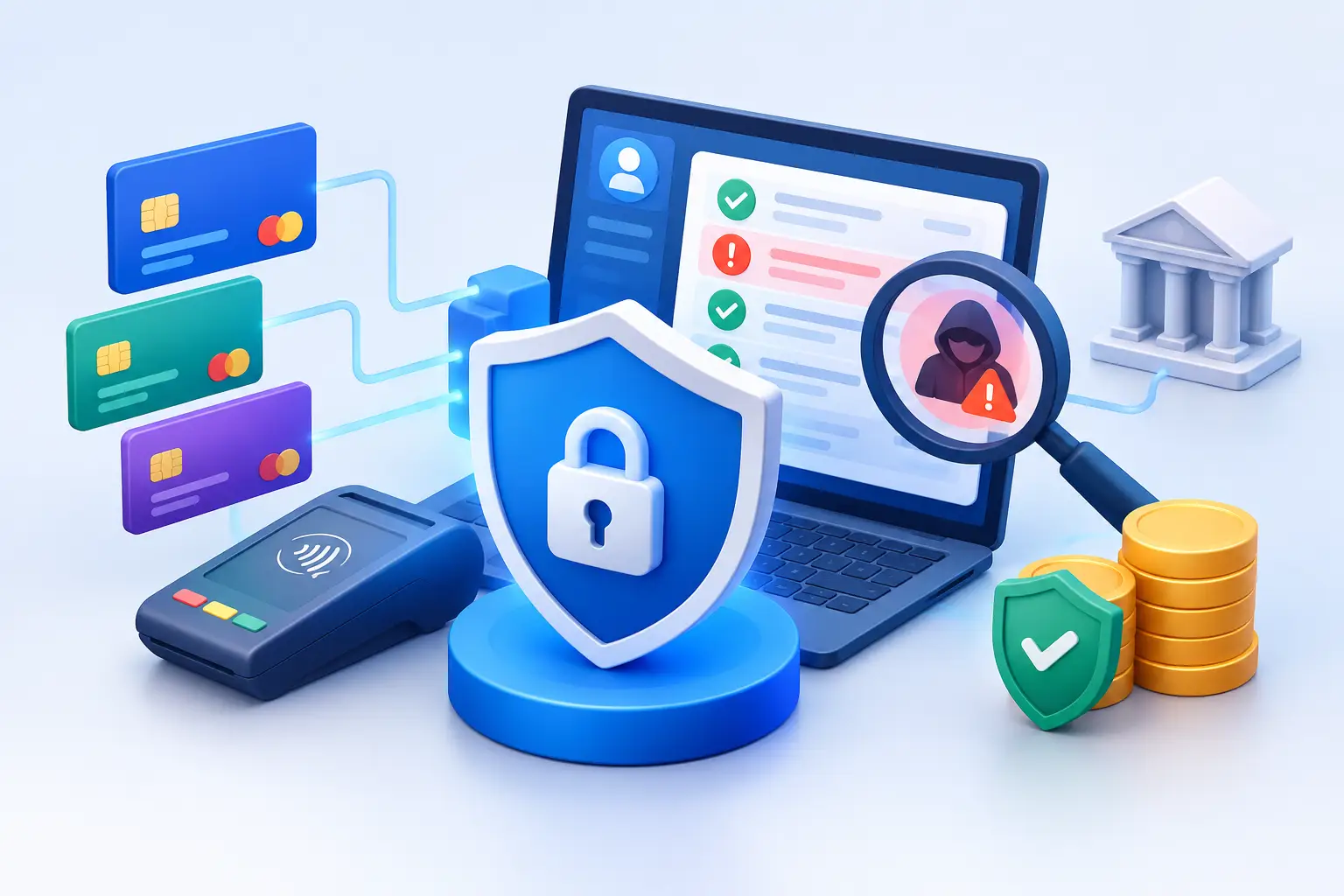
A cross-border payment can look routine at first glance: an invoice is paid, currency is converted, and funds are sent to a supplier or beneficiary. Yet the details behind that payment may reveal unusual behavior, sanctions exposure, fraud, or a pattern that requires review. Transaction monitoring software gives payment and compliance teams the visibility to identify those signals before they become costly operational or regulatory problems.
For businesses moving money between Africa and global markets, this visibility is particularly valuable. Payment flows can involve multiple currencies, counterparties, jurisdictions, settlement methods, and timing expectations. A system that monitors activity intelligently helps teams protect legitimate transactions while maintaining the speed customers and partners expect.
What Transaction Monitoring Software Does
Transaction monitoring software reviews payment activity against predefined rules, risk indicators, and behavioral patterns. Its job is not simply to stop transactions. It helps organizations decide which transactions can proceed normally, which should be reviewed, and which may need to be paused or escalated.
The software can assess factors such as transaction value, frequency, source and destination countries, beneficiary details, device or account behavior, payment purpose, and links to screened parties. When activity falls outside an expected pattern, the system creates an alert for review.
Consider an importer that typically pays established suppliers in Europe once each month. If the same account suddenly sends several high-value payments to a new beneficiary in another jurisdiction, a monitoring system can flag the change. The payment may be completely legitimate, but the finance or compliance team has a reason to verify it before releasing funds.
This distinction matters. Effective monitoring is designed to support risk-based decisions, not to treat every international transaction as suspicious.
Why Monitoring Matters for Cross-Border Payments
Cross-border transactions carry more variables than domestic payments. Exchange rates move, payment routes differ, and regulatory expectations may vary by corridor. Businesses must also balance commercial urgency with careful controls. Delaying a legitimate supplier payment can affect inventory, customer commitments, and working capital. Missing a suspicious pattern can expose the business to fraud, financial crime, losses, or compliance action.
Transaction monitoring software helps reduce that tension by creating a consistent process. Rather than relying on manual checks alone, teams can apply the same risk logic across a growing volume of transactions. This is especially useful for SMEs and finance teams that need disciplined controls without building a large in-house compliance operation.
For individual users, monitoring supports a safer payment experience as well. It can help identify account takeover attempts, unusual transfer patterns, or transactions that do not match a customer’s normal activity. The goal is a financial service that is both swift and secure, not one that creates unnecessary friction at every step.
How Alerts Should Work in Practice
An alert is a prompt for investigation, not proof of wrongdoing. Strong monitoring programs recognize this and give reviewers enough context to make a sound decision quickly.
A useful alert should show the transaction details, the rule or behavior that triggered it, relevant customer information, prior activity, and connected payments or beneficiaries. If an analyst has to search through several systems to understand one alert, review times rise and the customer experience suffers.
Risk rules should reflect the actual business model. A company serving import-export businesses, for example, may expect regular high-value payments to overseas suppliers. A rule that flags every international payment above a low threshold will create a backlog of false positives. On the other hand, rules that are too broad may fail to detect meaningful changes in behavior.
The right configuration depends on factors such as customer type, payment corridor, product, average transaction size, settlement speed, and the organization’s risk appetite. Rules should be reviewed regularly because customer behavior, fraud tactics, and regulatory priorities change over time.
Rules, behavioral analysis, and human judgment
Most effective programs combine three elements. Rules identify known risk scenarios, such as transactions involving restricted geographies or unusual payment amounts. Behavioral analysis looks for changes from a customer’s normal pattern. Human reviewers assess the context that technology cannot fully capture.
For example, a new beneficiary may be a risk signal, but it may also reflect a valid expansion into a new market. A reviewer can confirm the commercial purpose, examine supporting documents where appropriate, and make a decision based on the full picture.
Automation improves consistency and speed. Human judgment protects against rigid decisions that could disrupt genuine customers. Neither works as well on its own.
Capabilities That Make Monitoring More Effective
When assessing transaction monitoring software, payment businesses should look beyond a long list of features. The most useful platform is one that fits the organization’s payment flows and helps its teams act with confidence.
Key capabilities include:
- Configurable risk rules that can be adjusted by customer segment, country, corridor, currency, amount, and transaction type.
- Real-time or near-real-time alerting for transactions that require action before funds are released.
- Customer and beneficiary risk context, including historical payment behavior and screening results where applicable.
- Case management that records investigations, decisions, evidence, approvals, and escalation steps in one place.
- Clear reporting and audit trails that help demonstrate how alerts were handled and why decisions were made.
Integration is equally important. Monitoring software should work with payment systems, customer onboarding tools, identity verification processes, sanctions screening, and internal reporting. Fragmented tools create duplicate work and increase the chance that a critical signal is missed.
For businesses operating across several markets, data quality deserves close attention. Inconsistent names, incomplete beneficiary information, duplicate customer records, and poor transaction descriptions can reduce the accuracy of alerts. Improving data at onboarding and payment initiation often makes monitoring more effective downstream.
Reducing False Positives Without Reducing Control
False positives are one of the biggest operational challenges in transaction monitoring. They occur when a system flags activity that is ultimately legitimate. A certain number is expected, particularly when a business prioritizes caution. The issue arises when alert volumes are so high that teams spend most of their time clearing routine transactions.
Reducing false positives starts with better calibration. Teams should examine which rules generate the most alerts, how many result in confirmed concerns, and whether thresholds reflect real customer behavior. A rule that produces hundreds of low-value alerts with no useful outcomes may need refinement.
Customer segmentation also helps. A salaried professional sending family support payments does not behave like a wholesale trader settling supplier invoices. Applying identical expectations to both groups creates noise. Segment-specific profiles can make alerts more meaningful while maintaining appropriate safeguards.
There is a trade-off. Tightening rules may reduce alerts but could increase the risk of missing suspicious activity. Loosening rules may catch more potential concerns but create additional review work. The best approach is ongoing tuning supported by documented governance, quality assurance, and experienced compliance oversight.
Building a Monitoring Process That Scales
Software is only one part of the control environment. A dependable process requires clear ownership, escalation paths, trained reviewers, and a documented approach to investigations.
Start by mapping the transaction lifecycle. Identify where customer data enters the process, when payments are screened, when monitoring occurs, who can place a hold, and who has authority to approve or reject an alert. This exposes gaps before transaction volumes grow.
Next, define risk scenarios based on the services offered and corridors served. A platform handling foreign exchange, business settlements, and international transfers should account for risks specific to those activities rather than using generic settings without adjustment.
Teams should measure more than alert volume. Useful indicators include the percentage of alerts closed within target timeframes, the rate of escalations, repeat alerts from the same rule, false-positive trends, and the time required to reach a decision. These measures show whether the program is protecting the business without slowing legitimate payments unnecessarily.
Regular testing is essential. Sample closed alerts, check decision quality, review whether investigators had enough information, and confirm that rules perform as intended. Controls that are never tested can appear effective until a real issue exposes their weaknesses.
A Better Experience for Legitimate Customers
Customers rarely ask how a payment provider monitors transactions. They notice the outcome: whether their transfer is handled securely, whether requests for information are reasonable, and whether support is available when a payment needs review.
That is why efficient monitoring is also a customer-service priority. When the right transactions are flagged, teams can ask focused questions and resolve cases faster. When low-risk activity moves through the system without needless interruption, customers gain confidence in the service.
For organizations handling Africa-to-global payment flows, technology should support both compliance discipline and commercial momentum. ParkPay’s approach to payments, FX, and verification reflects that balance: protecting transactions with structured controls while helping legitimate funds move with clarity and speed.
The most valuable monitoring program is not the one that produces the most alerts. It is the one that helps your team recognize meaningful risk early, explain decisions clearly, and keep trusted customers moving forward.