

Treasury & Operations
How to Manage Supplier Payments Without Delays
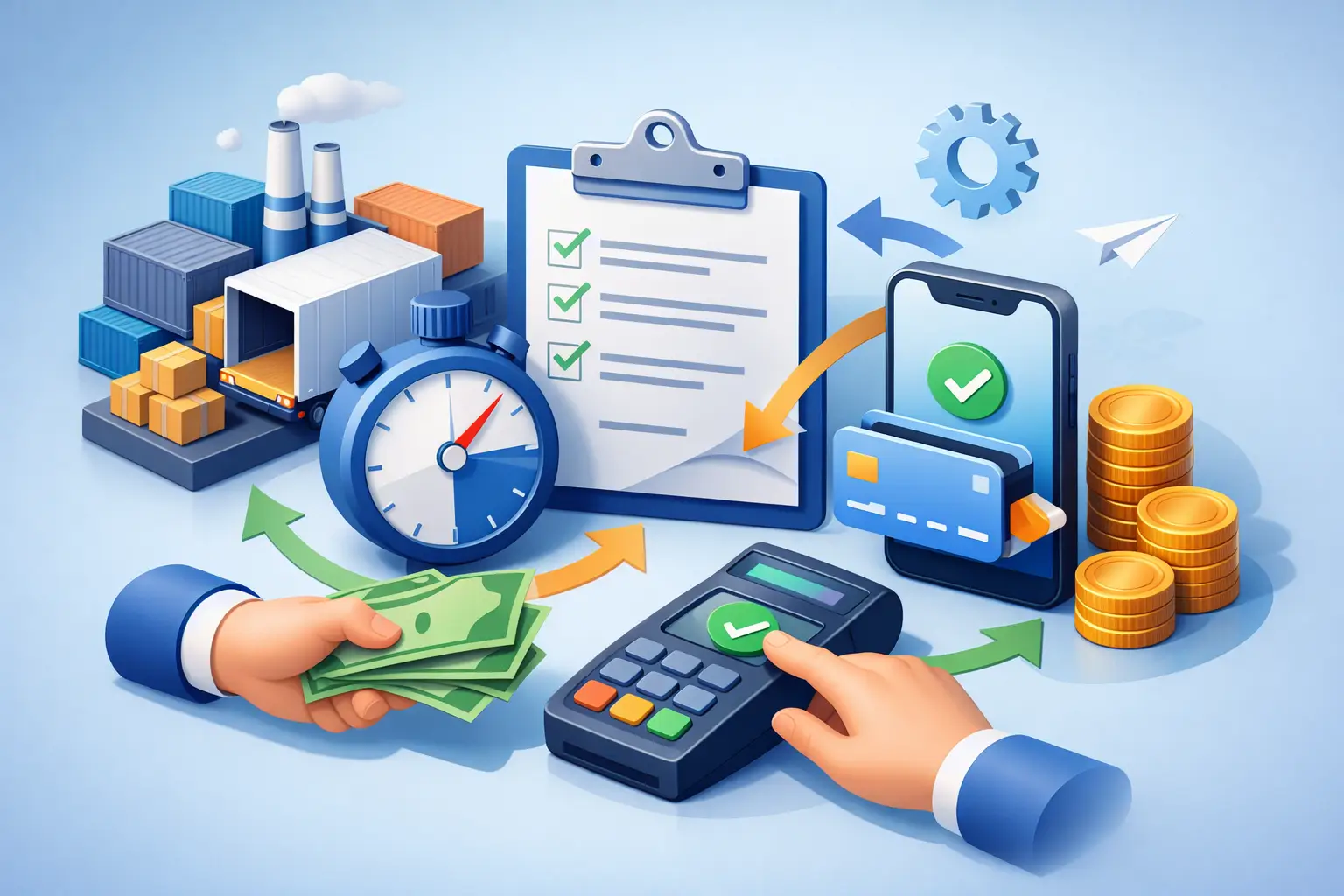
A supplier may accept a late payment once. They are far less likely to prioritize your next order if late payments become a pattern. For importers, distributors, and growing businesses trading across borders, knowing how to manage supplier payments is not simply an accounts payable task. It directly affects inventory availability, negotiating power, cash flow, and the trust behind every commercial relationship.
The goal is not to pay every invoice as early as possible. It is to pay the right amount, in the right currency, through a secure route, on the agreed date, with enough control to prevent errors and fraud. That requires a payment process built around visibility, approvals, foreign exchange planning, and reliable execution.
Start with a complete payment calendar
Supplier payments often become urgent because invoice information is scattered across emails, spreadsheets, purchase orders, and messaging apps. A centralized payment calendar gives finance teams a clear view of what is due, when it is due, and what action is required before funds can be released.
For each supplier invoice, record the invoice number, purchase order reference, payment currency, due date, agreed terms, beneficiary bank details, and approval status. Also note whether the payment is tied to a shipment milestone, such as a deposit before production, a balance before dispatch, or payment after goods are received.
This visibility lets you forecast cash needs before payment day arrives. It also helps separate payments that must be made immediately from invoices that can be scheduled for the contractual due date. Paying early can preserve a critical supplier relationship or earn a worthwhile discount, but it can also tie up working capital. The right choice depends on the supplier's importance, your available cash, and the cost of financing inventory.
Match invoices before authorizing payment
Before approving a supplier payment, reconcile the invoice against the purchase order and the goods received or services delivered. This three-way match is one of the simplest controls available to a business. It reduces the risk of paying for incorrect quantities, duplicate invoices, unauthorized purchases, or goods that have not arrived.
For smaller teams, this can be a structured manual review. As payment volume grows, use accounting and payment workflows that flag mismatches automatically. The principle remains the same: no payment should move because an invoice looks familiar or because someone says it is urgent.
Build approval controls that do not slow the business
Strong controls are necessary, particularly when supplier payments involve high values or cross-border bank details. But a process with too many approval layers can create the same delays it is meant to prevent. The answer is to assign authority based on risk.
Set payment thresholds. A routine, low-value invoice from an established local supplier may require one finance approval after matching. A large international payment, a new supplier, or a request to change bank details should require additional review from a designated manager or director.
Keep roles separate where possible. The person who creates a supplier record should not be the only person able to approve and release a payment. Likewise, the person reconciling the bank account should be able to identify unusual transactions independently. These controls make errors easier to catch and make internal fraud harder to conceal.
Bank-detail changes deserve special attention. Payment diversion fraud commonly starts with an email claiming that a supplier has opened a new account. Verify every change using a known phone number or a trusted contact established before the request. Do not rely on the contact details included in the change email.
Manage foreign exchange before the invoice becomes due
For businesses paying overseas suppliers, the invoice amount is only part of the cost. Exchange-rate movement can change the local-currency cost of a purchase between the day an order is placed and the day payment is made.
A business that waits until the final hour to buy dollars, euros, pounds, yuan, or another supplier currency is accepting unnecessary uncertainty. Instead, review upcoming foreign-currency obligations weekly or monthly. Group payments by currency and due date, then determine how much currency you need for confirmed orders, deposits, and recurring supplier commitments.
There is no single best FX timing strategy. Converting all funds immediately can protect against an unfavorable currency move, but it may leave cash idle if shipment dates change. Waiting may preserve liquidity, but it exposes the business to rate volatility. Many businesses take a balanced approach by converting a portion of their known needs in advance and reviewing the remaining exposure regularly.
Compare the full cost of a cross-border payment, not only the advertised exchange rate. A favorable headline rate can be offset by transfer charges, correspondent bank deductions, or unclear pricing. Request clarity on the rate, fees, expected delivery time, and the amount the supplier is expected to receive.
A provider such as ParkPay can help businesses combine FX execution and cross-border settlement in a single operational flow, reducing the need to coordinate separate exchange and payment providers.
Choose payment terms that support both parties
Payment terms are a commercial tool, not an afterthought on an invoice. The terms you agree at the start of a supplier relationship should reflect the supplier's reliability, the nature of the goods, shipping timelines, and your working-capital position.
A new supplier may reasonably request a deposit before starting production. As trust develops, you may negotiate partial payments, payment against shipping documents, or net terms after delivery. Longer terms improve your cash position, but pushing too hard can lead to higher prices, reduced production priority, or a supplier that is less willing to solve problems when they occur.
Be precise about the payment currency and who bears transfer fees. If a supplier expects to receive a fixed amount in U.S. dollars, the agreement should make that clear. Ambiguity can create short payments, reconciliation delays, and disputes that hold up future orders.
Automate recurring work, not financial judgment
Automation can make supplier payment management faster and more accurate. Scheduled payment runs, invoice reminders, approval notifications, accounting integrations, and standardized supplier onboarding reduce manual follow-up. They also create an audit trail that is useful when finance teams need to investigate a discrepancy.
However, automation should not eliminate review for high-risk payments. A recurring invoice from a verified supplier may be suitable for a scheduled workflow. A one-time payment to a new beneficiary, an unusually large invoice, or a payment request that falls outside normal terms should be reviewed by a person before release.
Use automation to remove repetitive administration so your team can focus on exceptions, cash planning, and supplier relationships. That is where financial judgment adds the most value.
Keep records ready for reconciliation and compliance
A payment is not fully managed when it is sent. It is managed when the supplier receives it, the transaction is reconciled, and the supporting records can explain why the payment was made.
Retain the invoice, purchase order, proof of delivery or service acceptance, approval history, payment confirmation, and any FX deal details. For international transactions, businesses may also need documentation that supports the commercial purpose of the payment and the identity of the counterparty. Requirements vary by corridor, payment value, and financial institution, so prepare documents early rather than waiting for a compliance query to pause an urgent transfer.
After sending a payment, share the confirmation with the supplier when appropriate and ask them to confirm receipt, especially for time-sensitive orders. Then reconcile the payment against the invoice promptly. Fast reconciliation keeps liabilities accurate and exposes failed, returned, duplicated, or short-paid transactions before they become larger problems.
Review supplier payment performance every month
A monthly review turns payment operations into a source of business intelligence. Look for invoices paid late, payments that required manual intervention, repeated bank-detail changes, unexpected transfer costs, and differences between budgeted and actual FX costs. These patterns show where your process needs adjustment.
Track a few useful measures: on-time payment rate, average approval time, payment failure rate, early-payment discounts captured, and FX cost against budget. A small business does not need a complex dashboard to benefit from these figures. Even a disciplined monthly review can identify a bottleneck before it damages a supplier relationship.
Reliable supplier payments are built through routine, not last-minute urgency. When your team can see upcoming obligations, verify every invoice, plan currency needs, and send funds through secure channels, suppliers gain confidence in doing business with you. That confidence can matter just as much as the price you negotiate.