

Treasury & Operations
Digital Identity Verification Guide for Payments
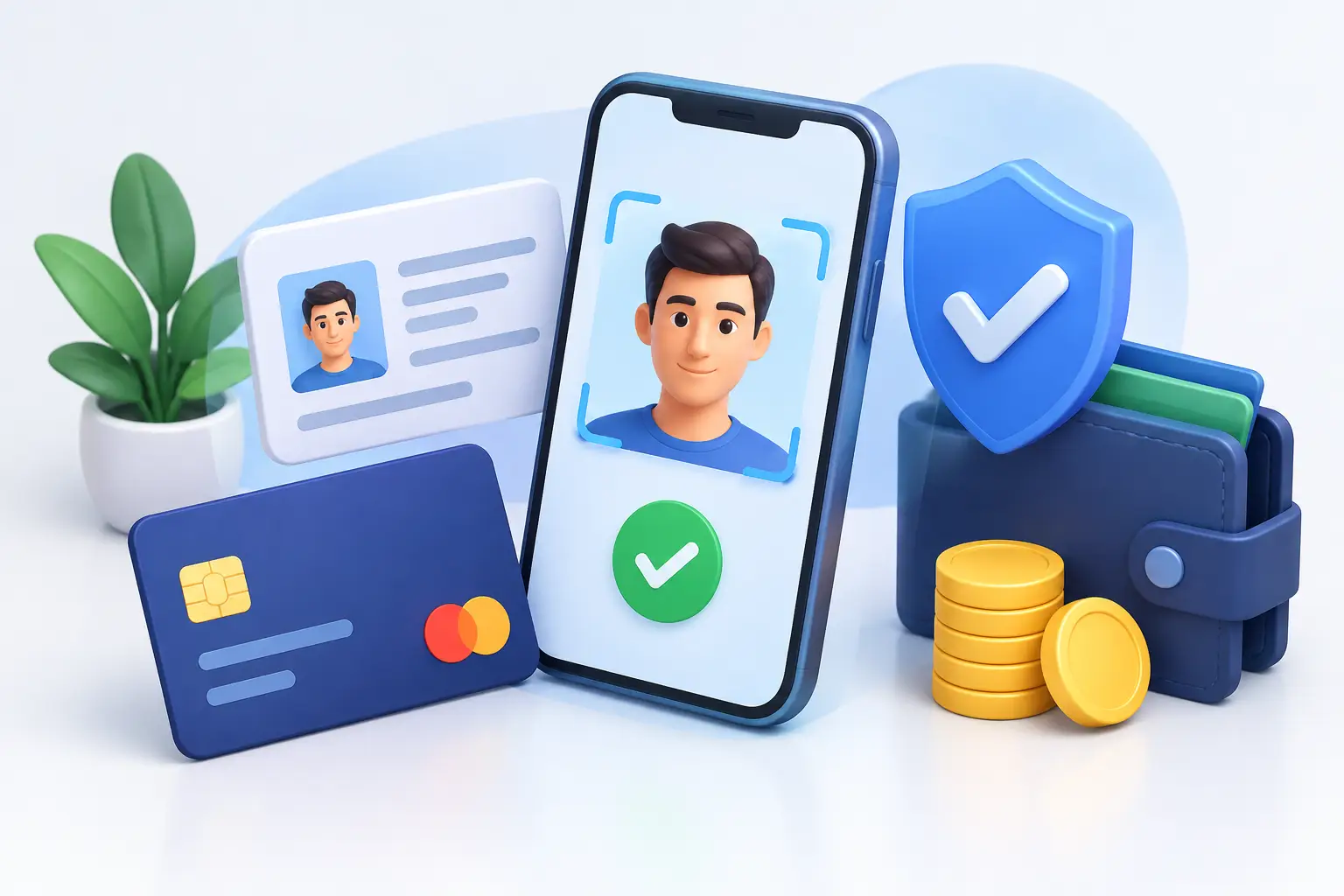
Cross-border payments can move in minutes, but a transaction is only as secure as the identity behind it. This digital identity verification guide explains how individuals and businesses can confirm customers, reduce fraud risk, and meet compliance expectations without creating unnecessary delays in international payments.
For African professionals, importers, exporters, diaspora families, and finance teams, verification is not simply an account-opening step. It affects whether funds can be sent, whether a payment can be released on time, and whether a business can build trusted relationships across markets. Done well, it protects legitimate customers while supporting faster, more reliable money movement.
What digital identity verification means
Digital identity verification is the process of confirming that a person or business is real, that submitted information is valid, and that the person completing the process is authorized to do so. It replaces or strengthens manual checks with secure digital tools such as document capture, database matching, biometric liveness checks, phone or email validation, and sanctions screening.
For an individual, this may mean matching a government-issued ID with a live selfie and basic personal details. For a company, it can involve validating registration records, confirming directors and beneficial owners, and checking that the person initiating a payment has authority to represent the business.
The purpose is practical: financial providers need to know who they are serving, assess risk, and identify activity that may require review. These controls support customer due diligence, anti-money laundering requirements, counter-terrorist financing obligations, and fraud prevention.
Why verification matters in cross-border payments
International transactions involve more moving parts than a local transfer. The sender, recipient, payment purpose, currencies, banks, and jurisdictions may all be different. That complexity creates opportunity for legitimate trade and personal transfers, but it also creates risk for impersonation, account takeover, forged documents, and illegal movement of funds.
A well-designed verification process helps prevent a fraudster from opening an account in someone else's name or using a business profile without authorization. It also gives payment providers a clearer record of who sent funds and why. If a transaction requires review, accurate customer information helps resolve the case faster.
There is a business benefit as well. Strong controls can reduce payment failures, costly manual investigations, and disruption caused by incomplete onboarding. For businesses working across Africa, Europe, Asia, North America, Australia, or South America, consistent verification procedures can make multi-country operations easier to manage.
The core checks in a digital identity verification guide
Verification should be proportionate to the product, transaction size, customer type, and risk profile. A small personal transfer and a high-value corporate FX settlement should not always receive identical treatment. However, most effective programs combine several complementary checks.
Identity document validation
The customer submits a valid government-issued document, such as a passport, national ID card, or driver's license where accepted. A verification system checks the document's format, security features, expiration date, and data consistency. Advanced tools can identify signs of alteration, screenshot reuse, or synthetic images.
Document verification is useful, but it should not stand alone. A genuine document can still be used by the wrong person.
Biometric and liveness verification
A selfie comparison checks whether the person presenting the ID resembles the document holder. Liveness detection goes further by assessing whether a real person is present rather than a photo, recorded video, mask, or other spoofing attempt.
This step can greatly reduce impersonation risk, particularly for remote onboarding. It must also be designed carefully. Poor lighting, low-quality phone cameras, connectivity issues, and document wear can cause legitimate customers to fail. A clear retry process and human review path are essential.
Contact and device checks
Verified email addresses, phone numbers, device signals, and login behavior add useful context. These checks can identify patterns such as repeated account creation from one device, sudden changes in location, or attempts to access an account from an unfamiliar environment.
No single device signal proves fraud. Customers travel, replace phones, and use business networks. The value comes from combining these signals with identity, transaction, and behavioral information.
Business verification and ownership checks
Businesses need a deeper layer of due diligence. The payment provider may validate the legal business name, registration number, registered address, operational status, and nature of business. It should also identify directors, shareholders, and ultimate beneficial owners, especially where ownership is complex.
A finance manager may be allowed to make payments, but that authority should be established rather than assumed. For higher-risk accounts, companies may need to provide supporting documents such as board resolutions, proof of address, invoices, contracts, or source-of-funds information.
Screening and ongoing monitoring
Verification is not a one-time event. Customer names and business owners may need screening against relevant sanctions, politically exposed person, and adverse media data. Transaction activity should also be monitored for patterns that do not align with the customer's profile.
For example, a small consulting firm that suddenly receives large payments from unrelated jurisdictions may need further review. That does not automatically mean wrongdoing. It means the provider should ask informed questions before processing activity that falls outside the expected pattern.
How to complete verification with fewer delays
The fastest verification is usually the one completed correctly the first time. Customers can reduce avoidable back-and-forth by preparing current, readable documents and ensuring all submitted details match across records.
Use the full legal name shown on your identification, including middle names where applicable. Make sure your document is not expired and that all corners are visible in the image. Avoid glare, blurred photos, cropped text, and uploads taken from a computer screen. When completing a live selfie, use good lighting and follow the on-screen instructions slowly.
Businesses should keep company records current before initiating high-value or recurring international payments. If directors, shareholders, addresses, or authorized signatories have changed, update these details early. It is also sensible to retain invoices, contracts, shipping documents, and other evidence that explains the purpose of commercial payments.
If a provider requests additional information, respond accurately rather than trying to work around the request. A complete explanation of the transaction often resolves a review faster than partial documentation or conflicting details.
What businesses should look for in a verification provider
For companies handling cross-border payments, digital identity verification is an operational decision as much as a compliance decision. The right solution should support the countries and document types relevant to your customers, employees, suppliers, and partners. Coverage matters because identity data quality and document formats vary by market.
Integration options also matter. API-based tools can automate onboarding, document checks, screening, and case management inside an existing payment flow. Automation can reduce manual workload, but it should not remove judgment from difficult cases. Teams need clear escalation rules for exceptions, false positives, and higher-risk customers.
Evaluate the provider's data security, audit trails, customer support, and ability to explain verification outcomes. A low-cost tool that rejects legitimate customers without a workable review process can create more operational cost than it saves. Likewise, a provider with weak controls can expose a business to fraud, regulatory scrutiny, and reputational damage.
ParkPay supports compliance-focused payment operations through API-based verification tools designed to help businesses build clearer customer due diligence processes alongside international payment activity.
Privacy, consent, and customer trust
Identity verification requires sensitive personal and business information, so trust depends on more than detection accuracy. Customers should understand what information is being collected, why it is needed, how it will be used, and how long it will be retained. Clear consent language and secure handling practices are central to a professional onboarding experience.
Businesses should collect only the information needed for a defined compliance or fraud-prevention purpose. Access should be limited to authorized personnel, records should be protected in transit and at rest, and retention schedules should reflect legal and operational requirements. Security controls must be paired with staff training, because many data incidents begin with human error or social engineering.
There is a genuine trade-off between friction and protection. Asking for too little information can leave dangerous gaps. Asking every customer for excessive documentation can drive away legitimate users and overload compliance teams. The better approach is risk-based verification: apply stronger checks where the transaction, customer profile, location, or behavior justifies them.
Build verification into the payment journey
The best verification process feels clear, not casual. Tell customers what documents they need before they begin. Explain why a check is required in plain language. Give them a way to correct errors, retry a failed capture, or reach support when automated checks cannot resolve the issue.
For payment businesses, track where users abandon verification, which documents fail most often, and how long manual reviews take. These metrics reveal whether friction comes from customer behavior, unclear instructions, technical limitations, or policy design. Small improvements in this flow can protect revenue while maintaining the controls required for safe international finance.
Strong digital identity verification does more than satisfy a compliance requirement. It gives legitimate people and businesses a more dependable route to move money across borders with confidence.